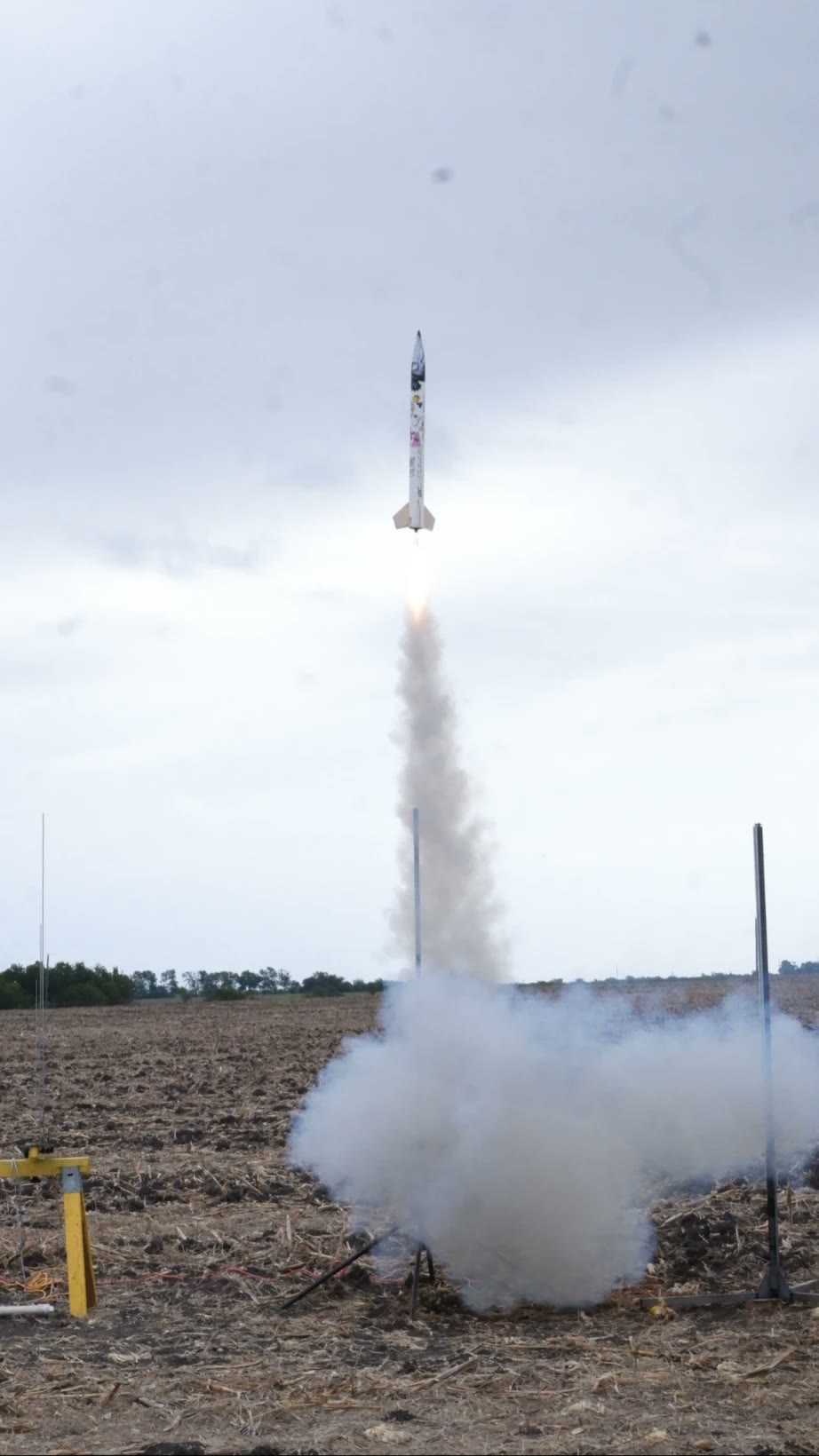
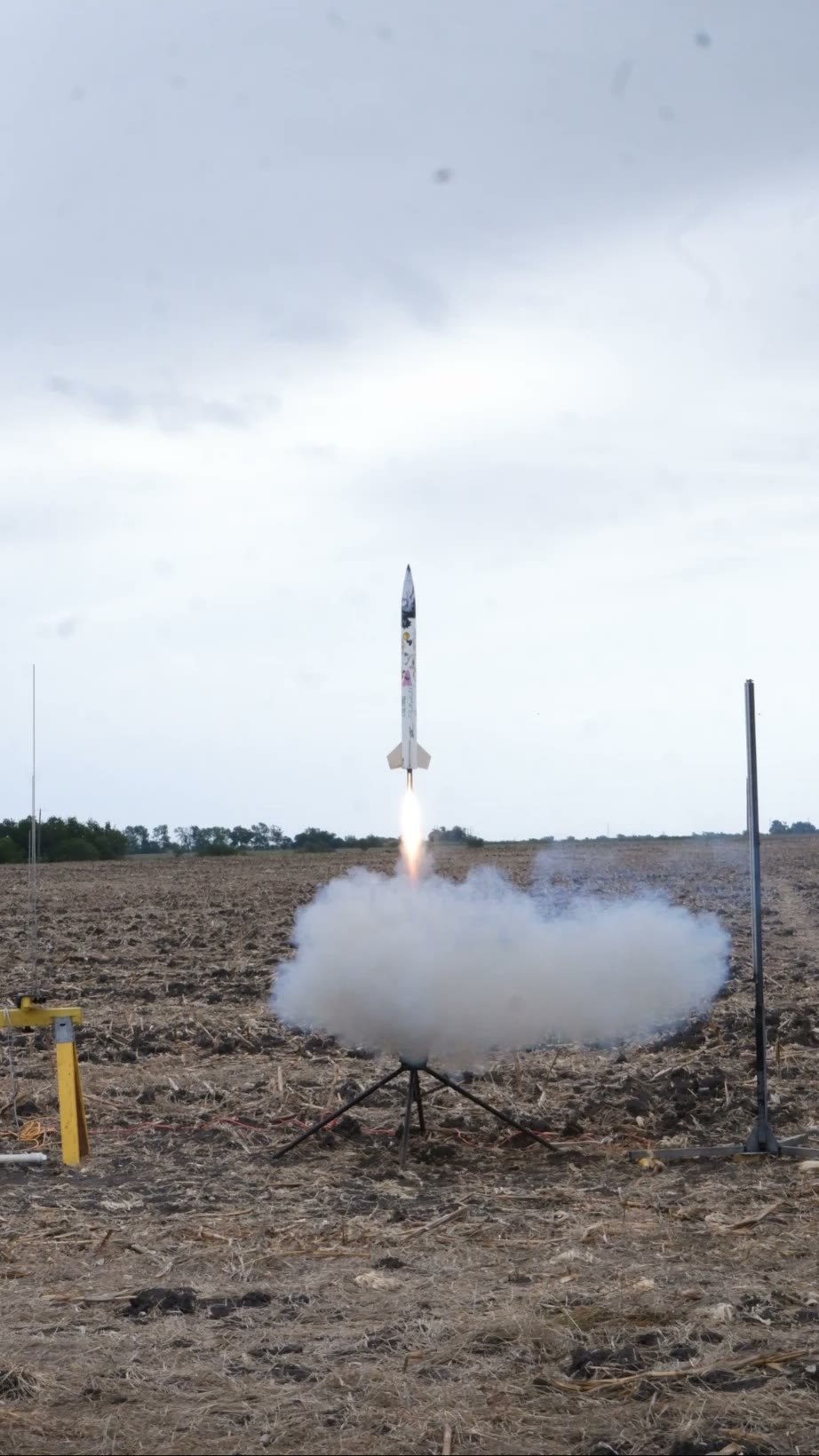
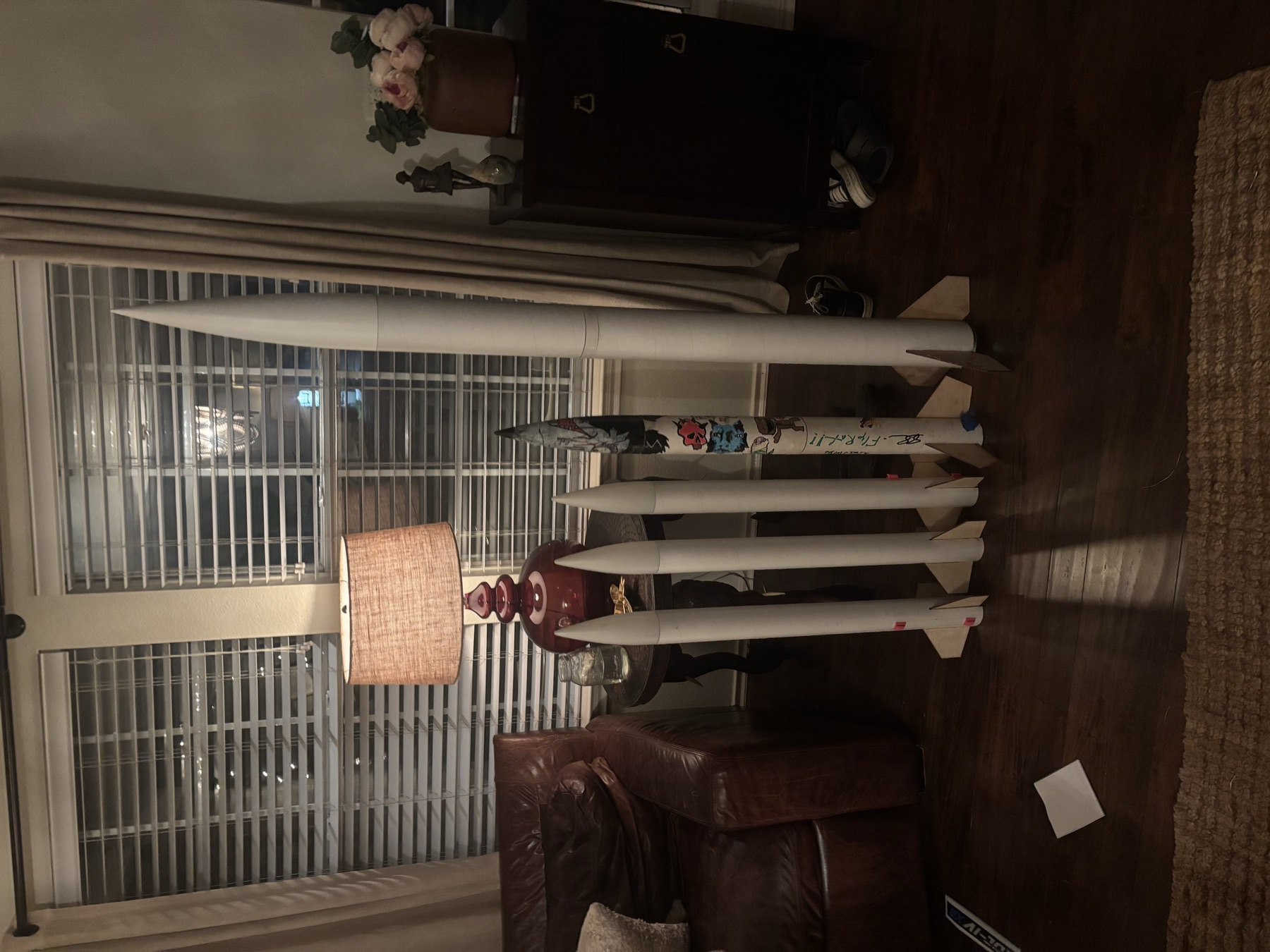
The top of the flight. The motor burns for under a second. After that the rocket coasts, slowing the whole way up, until it stops for an instant. That instant is when the parachute has to come out.


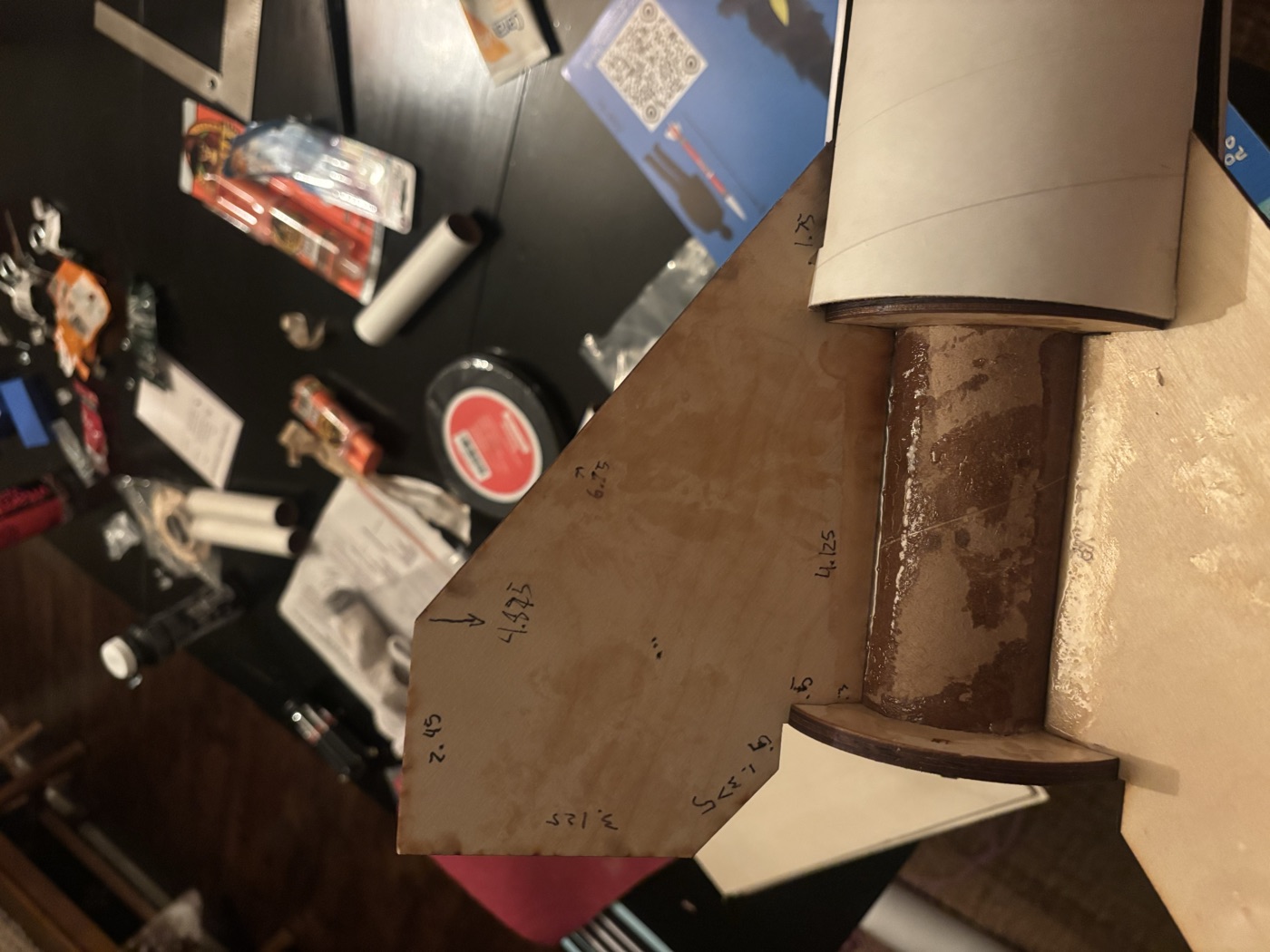
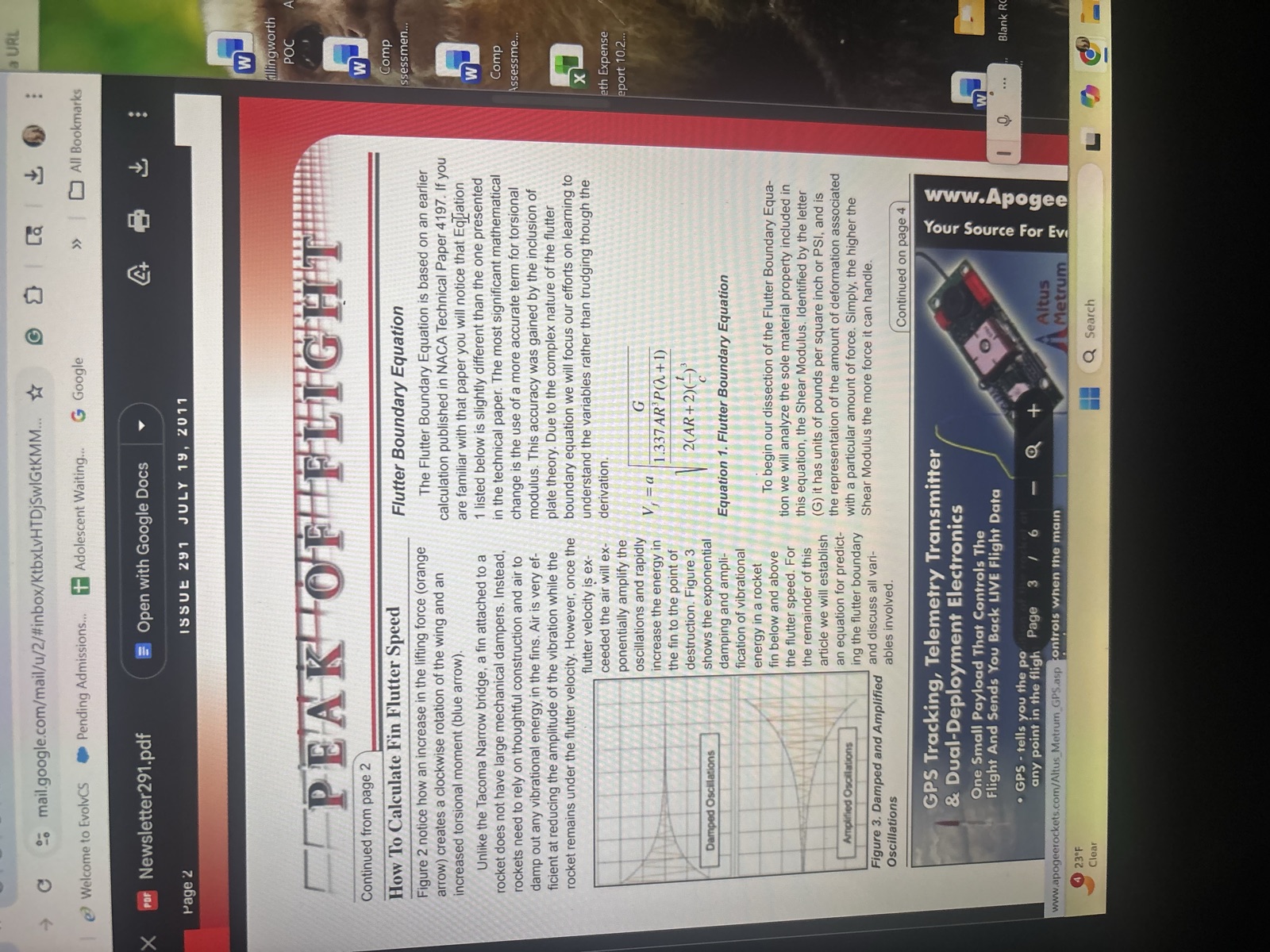
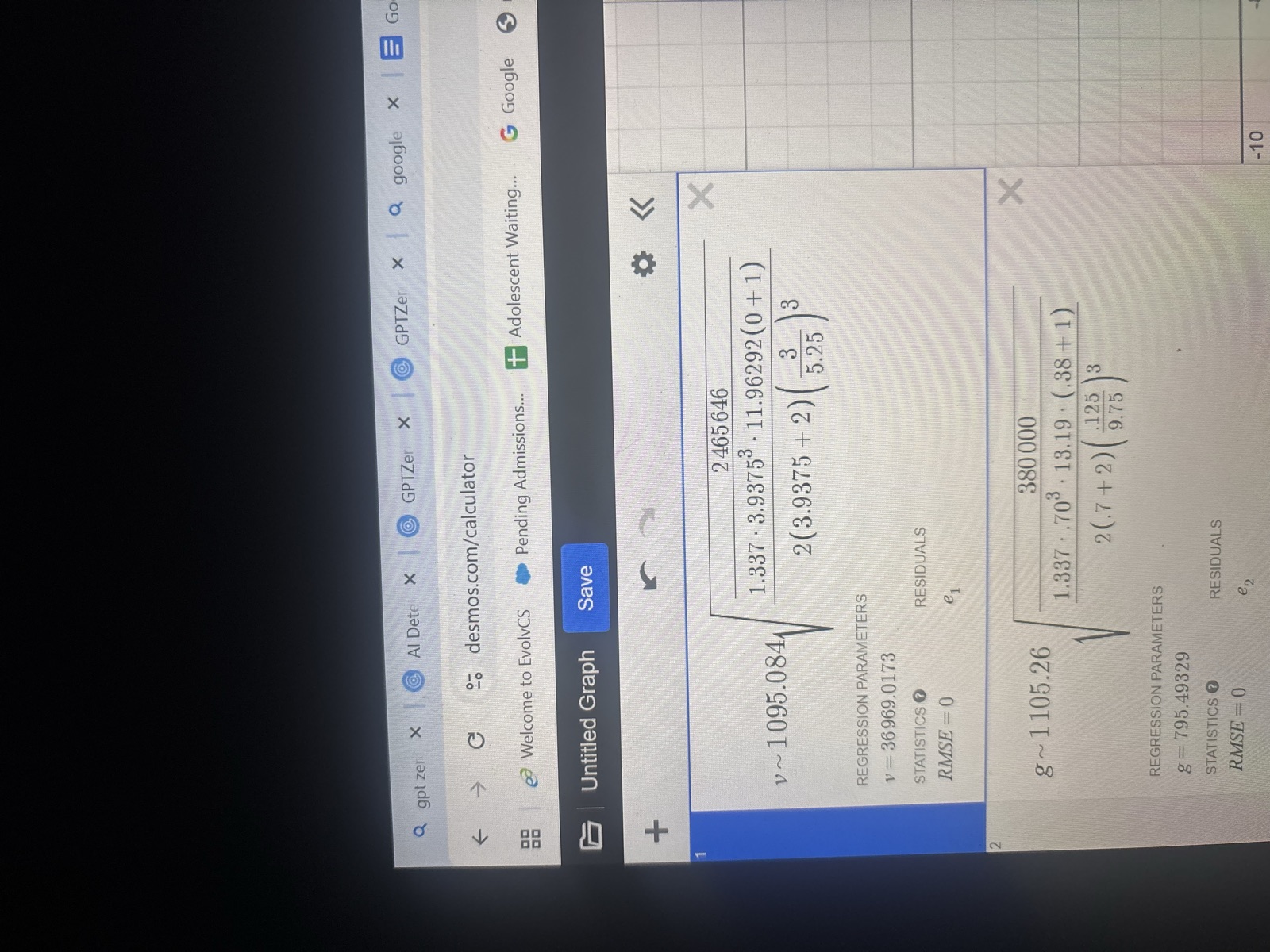
Fly fast enough and a fin starts to shake like a plucked ruler, then tears off. Noah worked the flutter-speed equation for a Stanford graduate student’s rocket built to pass Mach 1.3.


V2’s simulated flight. The climb is over almost at once. The rest is descent, and the wind pushes the rocket the whole way. In a 10 mph wind it would drift about 0.4 miles before landing.

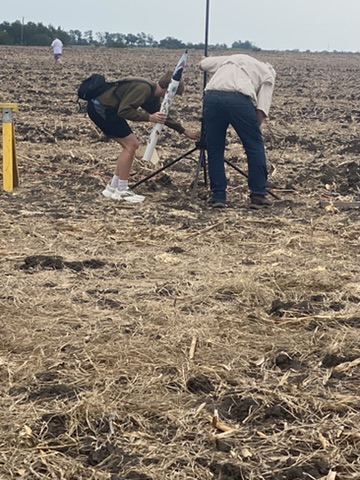
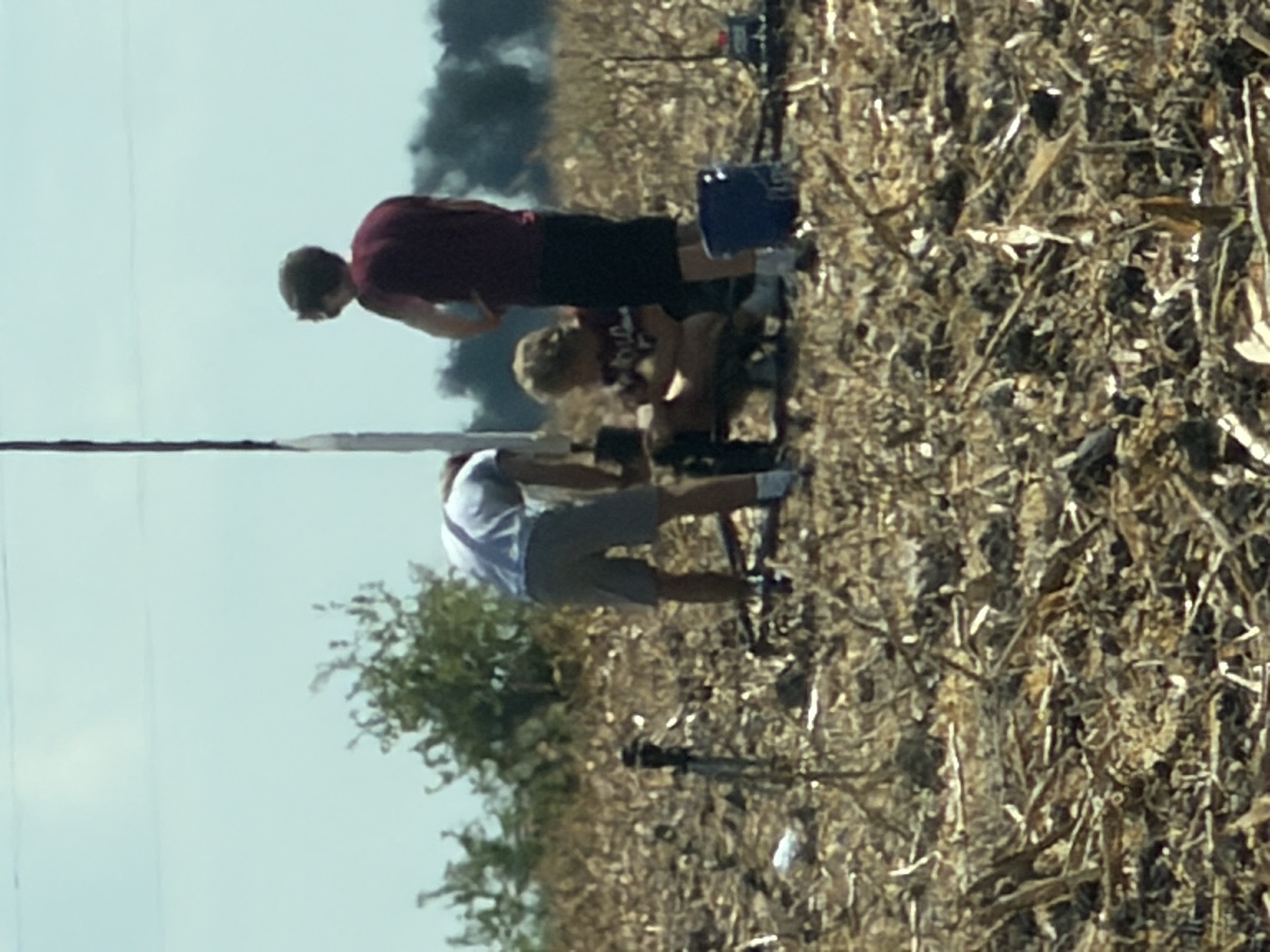
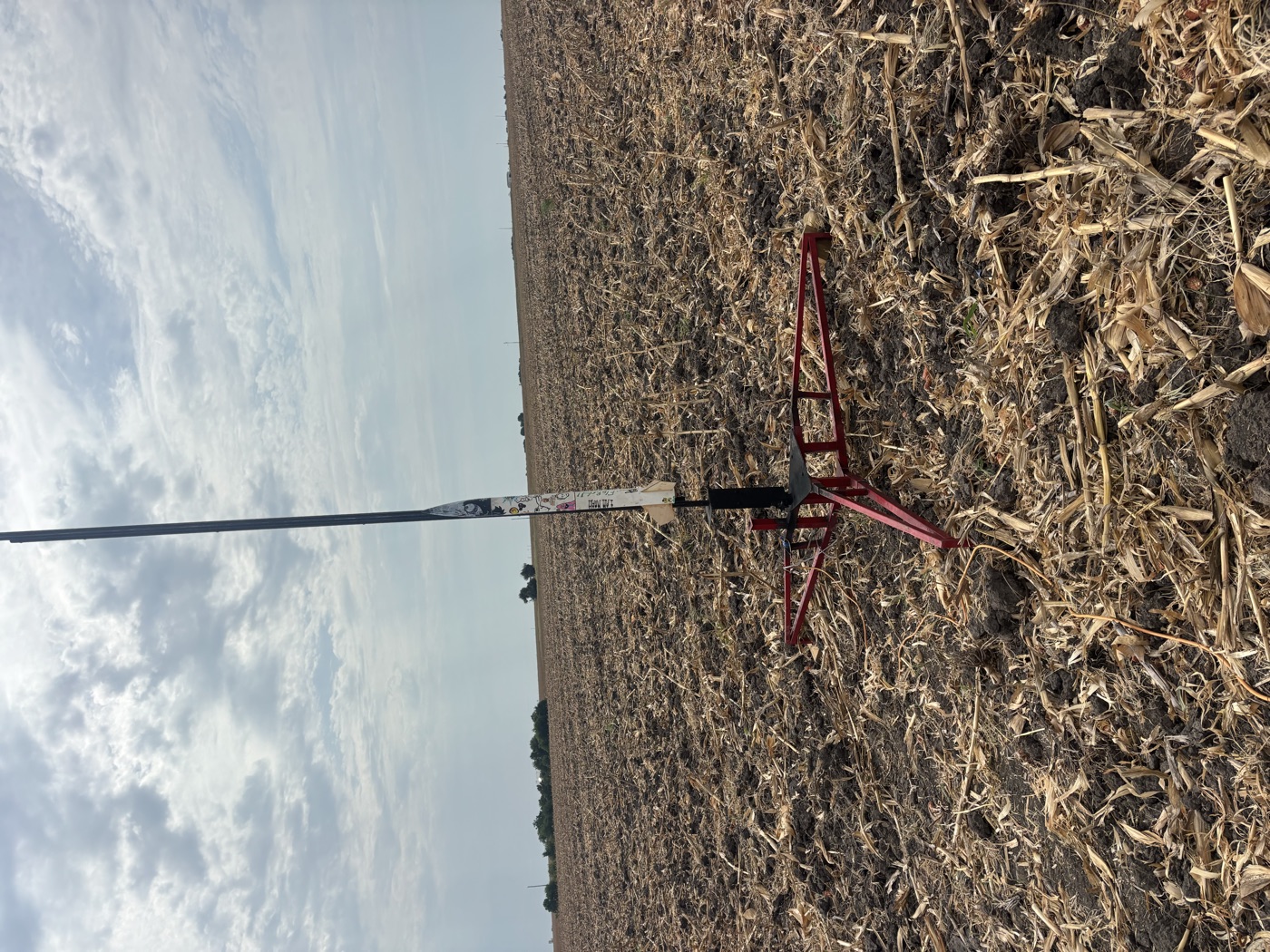
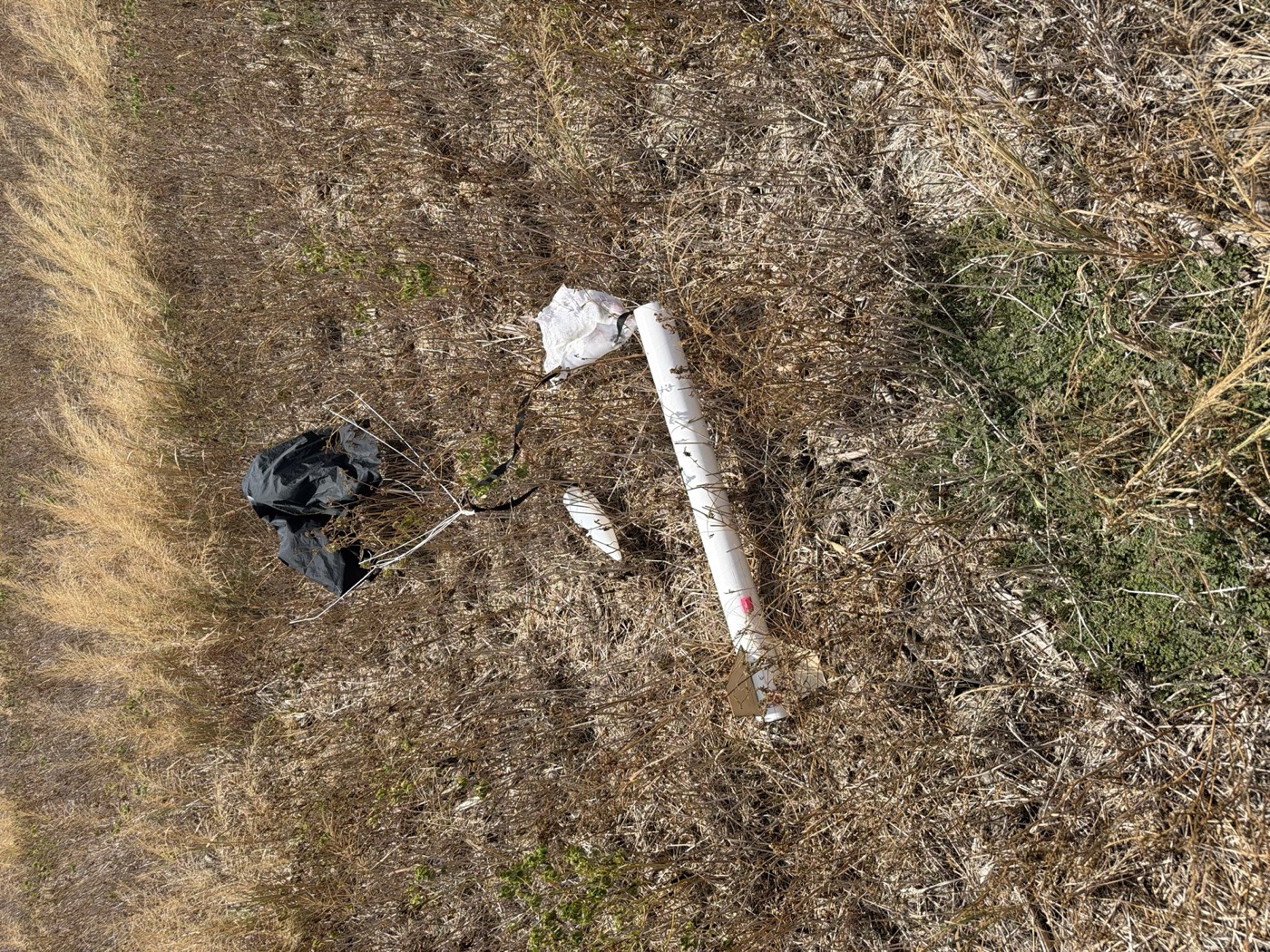
Club launch, September 5, 2026. Nose, tube, and chute on the ground together, ready to fly again.
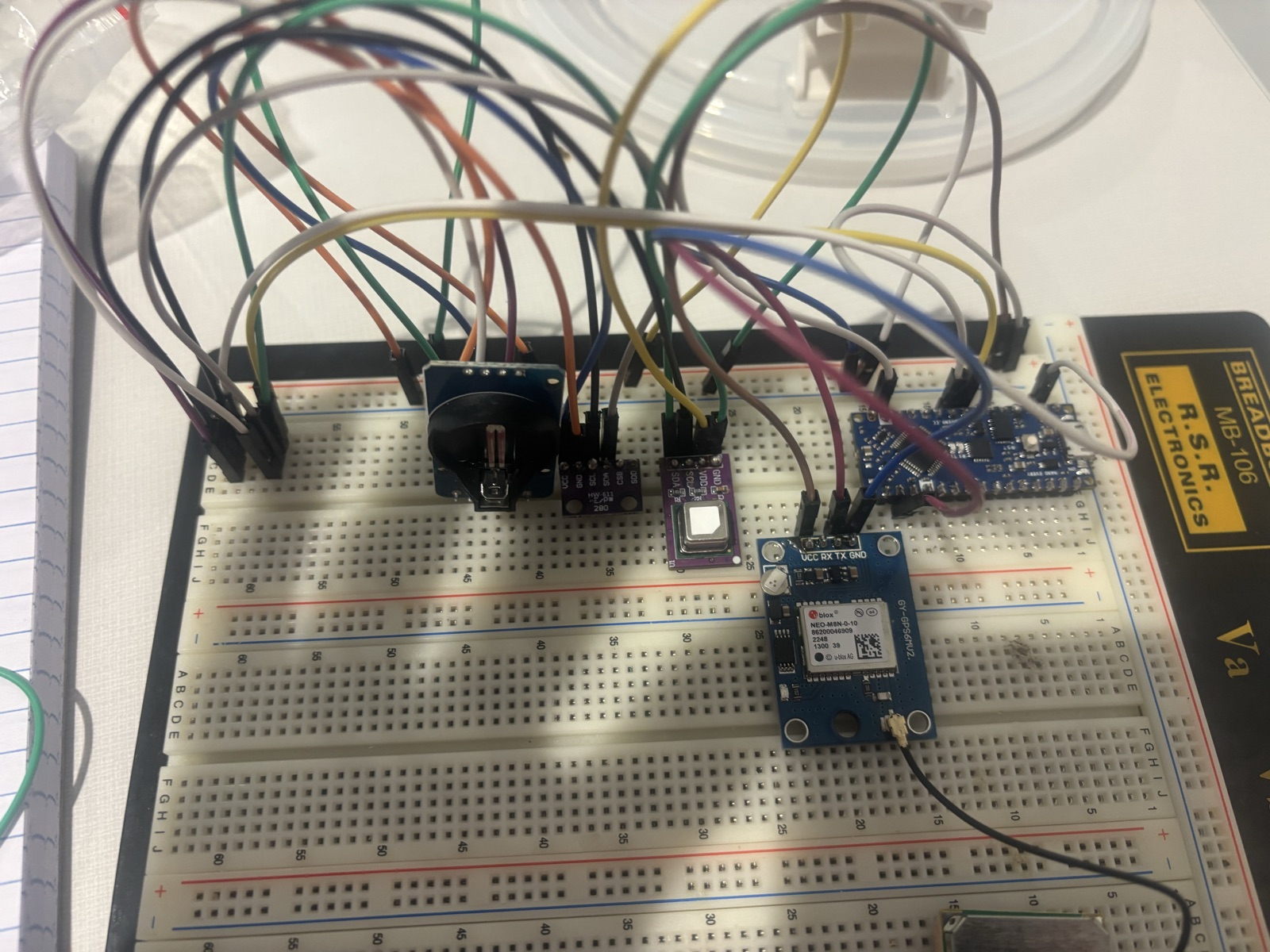
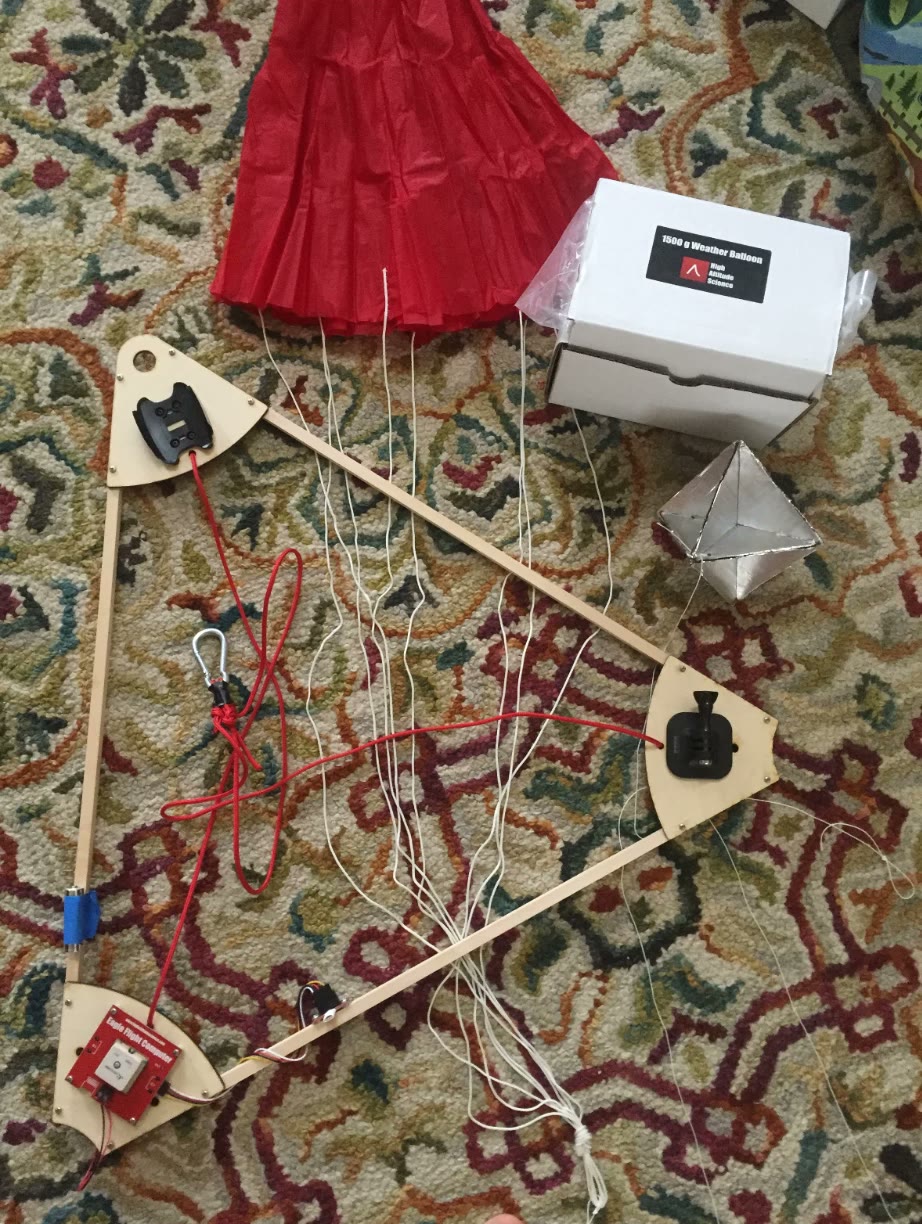
The next build is a weather balloon payload meant to climb past 100,000 feet and come back down under a parachute. Noah is coding its GPS flight computer and laser-cut the frame.
In progress

Since he was 15, Noah has run heavy equipment and surveyed land for C&C Dirt Contracting, grading foundations for homes, buildings, lakes, and creeks.
Noah is applying to the Honors College to study aerospace engineering. He wants to build with the Space Raiders, who won the 10,000 ft student-built division at the 2026 International Rocket Engineering Competition.